
CONSERVATION
I love wild forests and over the last 25 years I've worked on a number of initiatives to keep them standing. I’m proud to have worked on teams that have helped protect more than 20 million acres of Amazonian forest and add more than 3,000 plant species to the IUCN Red List.
Sometimes my role is as a botanist. Other times I'm a strategist or writer or red list specialist. For five years I was science director for a conservation group in southeastern Peru.
Over the years I've learned a lot about conservation from Debby Moskovits, John Terborgh, David Neill, Randy Borman and the Cofan indigenous people, and my colleagues at Amazon Conservation and Conservación Amazónica.
For blogs and essays about my conservation work, click here.

Field Museum rapid inventories, 2001–present
The Field Museum's rapid inventory team partners with governments and indigenous peoples in the Andes-Amazon region to protect wilderness areas that aren't parks but probably deserve to be. Our teams of biologists, social scientists, and local experts carry out inventories of the biological and cultural assets of these areas, and build technical arguments that have helped create 17 new parks covering more than 21 million acres. I've collected plants on 8 rapid inventories and edited 15 inventory reports. More here.

Alto Purús National Park, 2002–2004
In 2002, John Terborgh and a team of biologists and social scientists mounted an expedition to the Alto Purús watershed, in southern Amazonian Peru. The following year our team published a 350-page book summarizing what was known about the area and laying out recommendations for its conservation. One year after that, the Peruvian government declared Alto Purús National Park and Purús Communal Reserve, which together protect an area of Amazonian forest the size of Massachusetts. More here.

Endemic and globally threatened plants, 1999–present
Since 1997 I’ve worked with Ecuadorean and Peruvian colleagues to produce two compilations of what is currently known about the countries’ >10,000 endemic plant species. That work led to the creation of Ecuador's first list of endangered plant species, the listing of thousands of species on the IUCN Red List of Threatened Species, and a paper in Science arguing that 22–47% of plant species on Earth may be globally threatened. In 2016 I co-authored a paper in Science Advances proposing threat categories for 15,000 Amazonian tree species. More here.

Field Museum conservation tools, 2014–2019
Since 1999, researchers in the Field Museum’s conservation wing have developed a large number of species identification tools and park manager tools intended to accelerate conservation action. Today these tools are used by more than 100,000 people every year and recognized around the world as valuable assets for conservation biologists, researchers, park guards, indigenous groups, teachers, students, and naturalists. I directed the conservation tools team in 2014–2019.

Los Amigos Conservation Concession, 2003–2008
During my tenure at the Los Amigos Conservation Concession in Amazonian Peru, I oversaw a monitoring regimen in which park guards conducted regular surveys of birds, mammals, caiman, and turtles along forest and river transects. The monitoring, some of which continues today, offers one of the first looks at how Amazonian animal communities rebound when hunting and logging end and protection begins. More here.
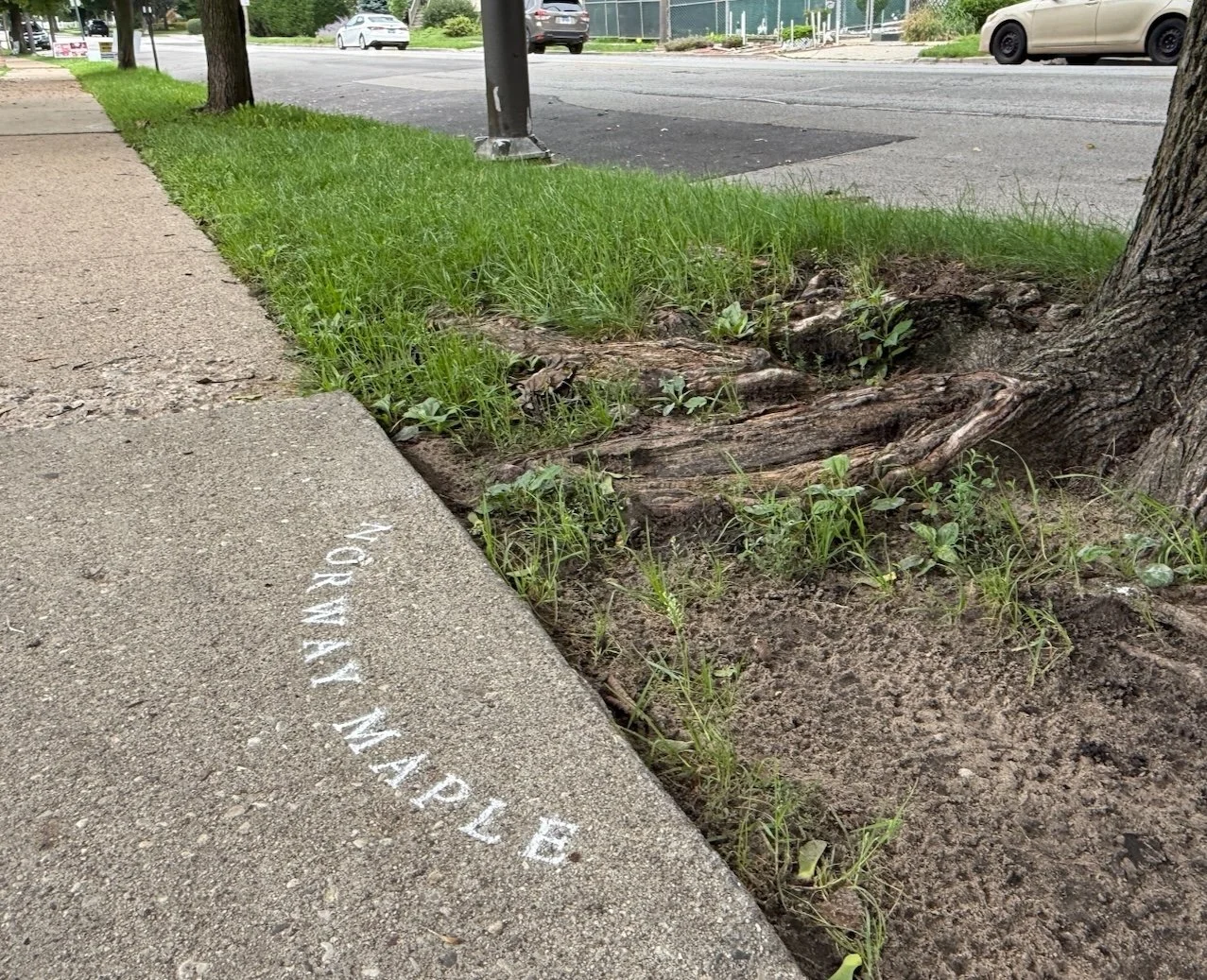
Evanston tree rings
In the summer of 2026 a brigade of friends and family piloted a new kind of tree label in suburban Chicago. Applied with custom stencils and spray paint on sidewalks across the city, tree rings give Evanstonians a new reason to pause and appreciate the 35,000 parkway trees we share the city with. More here.